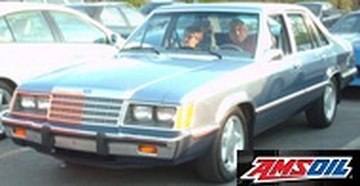
Maintenance Guidance for the 1983 Ford LTD 3.3L
Maintaining an older vehicle requires consistent attention to fluid levels and component health to ensure long-term operation. For owners of a 1983 Ford LTD equipped with the 3.3L engine, understanding which fluids are listed for specific systems is the first step in routine upkeep.
What transmission fluid is listed for my 1983 Ford LTD 3.3L?
The following products are listed for this vehicle: Signature Series Multi-Vehicle Synthetic Automatic Transmission Fluid (ATFPK-EA) and OE Multi-Vehicle Synthetic Automatic Transmission Fluid (OTFQT-EA).
Engine Oil Maintenance Fundamentals
The engine oil serves as the primary lubricant for the internal moving parts of your 3.3L engine. Regular monitoring of the oil level is a fundamental aspect of vehicle ownership. Checking the dipstick frequently allows you to identify potential leaks or excessive consumption before they lead to mechanical issues. When adding oil, ensure the vehicle is parked on a level surface to obtain an accurate reading.
Engine oil also plays a critical role in cleaning the engine by suspending contaminants and carrying them to the oil filter. Over time, oil can become depleted of its additives or contaminated with combustion byproducts. To maintain engine health, you should follow the manufacturer's maintenance schedule for oil change intervals. If you are unsure of the specific interval recommended for your vehicle, consult the owner's manual.
Understanding Engine Oil Viscosity
Viscosity refers to a fluid's resistance to flow. For this specific 1983 Ford LTD application, the database allows for the use of 5W-30 engine oil. Using the correct viscosity helps ensure that the oil flows properly during cold starts and maintains an adequate film strength when the engine reaches operating temperature.
While 5W-30 is the specified viscosity for this vehicle, always verify that any product you select matches the requirements found in your documentation. Proper lubrication thickness is essential for reducing friction between components like pistons, camshafts, and crankshaft bearings.
Monitoring Fluid Integrity and Levels
Beyond engine oil, other vital fluids must be inspected regularly. While transmission fluid is essential for gear changes, other systems such as the cooling system and braking system also rely on specific fluid types to function safely. A leak in any of these systems can lead to a rapid loss of pressure or lubrication.
When inspecting fluids, look for changes in color, consistency, or smell. For example, engine oil that appears excessively dark or contains visible particulates may indicate internal engine wear or extended service intervals. Similarly, transmission fluid should be checked for clarity and appropriate scent; any burnt odor can be a sign of overheating within the transmission system.
The Role of the Oil Filter
Every time you change your engine oil, it is standard practice to replace the oil filter. The filter is designed to trap microscopic debris, metal shavings, and carbon deposits that naturally accumulate in the oil during operation. A clogged or restricted filter can impede oil flow, potentially starving critical engine components of lubrication.
When replacing a filter, ensure the mounting surface is clean and dry. Applying a light film of fresh oil to the new filter's gasket can help create a proper seal and prevent the gasket from sticking during the next service. Always refer to your owner's manual for guidance on the correct maintenance procedures for your specific engine configuration.
General Preventative Maintenance Habits
Preventative maintenance is more cost-effective than reactive repairs. For an older vehicle like a 1983 Ford LTD, keeping a detailed log of all fluid changes and part replacements can be highly beneficial. This includes noting the date and mileage for every oil change, transmission service, or filter replacement.
Regularly inspecting belts, hoses, and connections for signs of cracking, fraying, or weeping can prevent unexpected breakdowns. While fluids are the lifeblood of the engine, the hardware that contains and moves those fluids must also be kept in good condition to ensure the vehicle remains reliable during operation.
BUYING ENGINE OIL
When you are ready to purchase oil for your 1983 Ford LTD 3.3L, prioritize products that meet the 5W-30 viscosity requirement. Check the labels on the containers to confirm they match this specification. It is helpful to purchase a small amount of extra oil to keep in your vehicle for emergency top-offs between scheduled services. Always consult your owner's manual or manufacturer documentation to ensure any product you buy aligns with the original equipment requirements.